Last weekend I played principal viola in a concert with the Oregon East Symphony (OES).
Although I have performed for over two decades with the Newport Symphony and occasionally subbed with other orchestras (such as OES), I’ve only played principal viola once before last week.
What is a Principal Musician?
The principal is the leader of a section of instruments. There is a principal cello, principal viola, principal 2nd violin, as well as principal percussion, horn, etc. The principal 1st violin is called the concert master and has additional responsibilities.
The principal leads their section. That can include assigning parts when multiple voices are written. In string sections, the principal may suggest particular bowings and fingerings. They are expected to help visually cue when the section is to start playing after a long pause in the music, and so on. Sometimes, composers may write a solo specifically for the principal musician. For this reason, the principal musician is typically the most skilled member of that section.
Accepting the Role
I knew I was not the most skilled violist in the section, and when first offered the position, encouraged them to pick someone stronger. But they insisted I was the one they wanted, so I buckled down for the task.

Rarely does the viola section get to play the melody in an orchestra. They more typically play a supporting role, offering harmony, doubling with other sections (cellos, bassoons, etc.) or the “pa pa” rhythm in a waltz “oom-pa-pa.” Once in a while, composers like Brahms and Dvořák favor the viola section with short phrases of melody. Off the top of my head, I could count on one hand the number of symphonic works I can think of that have an actual viola solo.
As luck would have it, this concert featured a rare viola solo.
The Sorcerer’s Apprentice
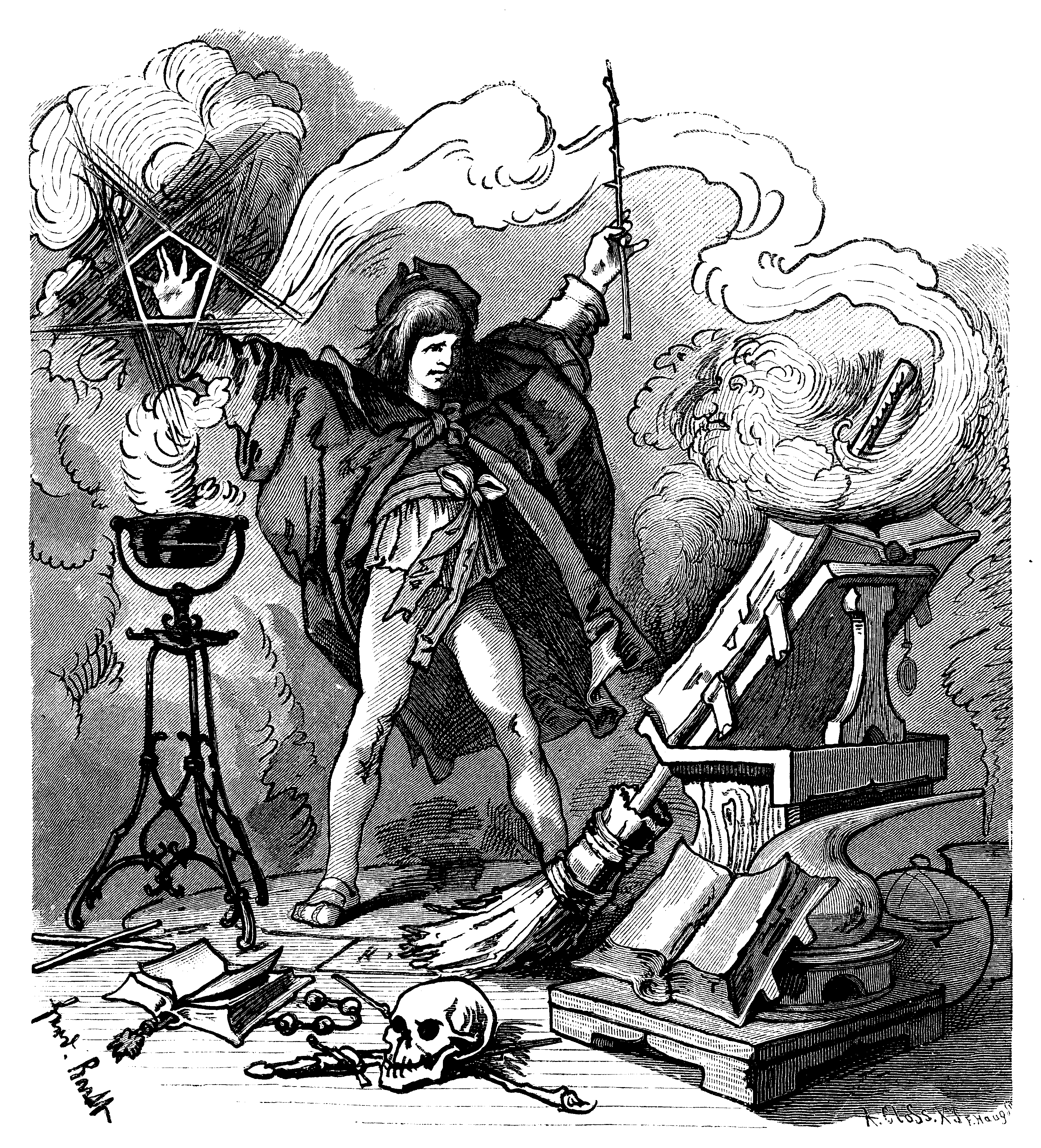
One of the pieces of the program was “The Sorcerer’s Apprentice” by Paul Dukas. Based on poem by Goethe and made popular in Walt Disney’s 1940 animated film Fantasia, it vividly depicts the story of the young sorcerer, bored and tired with his assigned of task carrying buckets of water, deciding to use magic to enchant a broom to do the work instead.
He is unable to stop the broom. He even resorts to splitting the broom with an axe only to see the individual pieces and splinters continue the work. He completely loses control of the situation and the room floods with rising water. The old sorcerer returns, and with a wave of his wand, quickly reverses the spell.

Musically, each character in the story has a dedicated theme. The old sorcerer has an ethereal melody played by the upper strings. The enchanted broom (later brooms) has a distinctive march played by the bassoon.
After the return of the old sorcerer and his climactic spell ending the brooms’ enchantment (2:03 in the clip above), the musical theme for the old sorcerer is played (2:24), and a short, mournful melody is played on solo viola. In Disney’s Fantasia, Mickey Mouse, who plays the Sorcerer’s Apprentice returns to his mentor the magical hat while wearing a chastened and embarrassed expression (2:32). The solo viola plays its melody twice (although the second time is cut in the abbreviated Fantasia version).
Fates Collude Against Me
The week leading up to the rehearsals and concert I was alarmed to find my left ear was blocked. I tried drops to remove any ear wax, took antihistamines, and found little relief. A healthcare provider peered in my ears and perceived no infection or wax, but she did see some fluid. She recommended saline nasal rinses, nasal decongestant spray, and failing that, a nasal steroid spray (Flonase).
At first rehearsal, I could hear almost nothing out of my left ear, which is the one closest to my instrument. I couldn’t tell if I was in tune at all during the first rehearsal. It was nerve wracking!
The veritable apothecary of medications started to take effect, and as I worked through the various rehearsals, my hearing gradually improved. My friends and colleagues gave me encouragement and helpfully answered my request for feedback and advice on my solo. Come concert day, I was feeling reasonably confident.

I showed up in my concert tuxedo … and saw everyone was dressed in open collar black shirts. My heart sank into my stomach. Rereading an earlier email, I found the part I had missed: “For the performance, dress all in black and for comfort. Tuxedos will probably be a little too much to bear. Short sleeved shirts/sleeveless dresses are totally acceptable attire.”
Great. So, I was overdressed (and likely going to overheat).
But happily, it all worked out in the end. I was satisfied with my solo and was humbled to receive praise from several musicians and members of the audience.
Perhaps the magic of the music buoyed me in my time of need.
 Blatant Calm