In it, she explores some of the more quirky stories and odd facets of classical music. Pairing Beethoven with beer and examining Mozart’s taste for scatological humor are a couple of topics you will hear about, interspersed with interviews with musicians, conductors, and musicologists.
Each episode is short, just 15-20 minutes, and Casey is a merry and delightful host.
I’ve listened to all the episodes and look forward to her upcoming offerings.
The two violinists on YouTube that make up TwoSetViolin have gotten themselves embroiled in an internet feud with a bass player.
This is not the first time TwoSetViolin has gotten themselves into hot water with other instrument players. They made some lighthearted fun of the recorder, and they justly got roasted for it.
The TwoSetViolin pair recently made fun of electric bass players, which raised the ire of one of the most popular YouTube bass players, Davie504 (for those keeping track at home, as of this writing, TwoSetViolin has 2.55 million subscribers, and Davie504 has 7.4 million subscribers). This set off a back and forth video battle of skill, bluster, insults, and questionable editing. Here’s the whole sequence:
Twoset: Violin vs Bass
Davie504: These Violinists tried to EXPOSE ME…(Epic Fail)
Twoset: Our Response to Davie504’s Challenge
Davie504: I play the VIOLIN
Twoset: Davie504 FAKES Playing the Violin!?
Davie504: These YouTubers are trying to CANCEL ME
On closer inspection, Davie504 appears to be trying to start feuds with multiple instrumentalists, including one of the recorder players who reacted to the TwoSetViolin slights just last month. With grace and humility (the latter of which Davie504 appears to possess none), she responded.
Despite TwoSetViolin’s constant roasting and denigration of the viola, I do enjoy these back and forth exchanges.
Update: The excellent podcast, This Is Criminal just posted an episode on this very topic. You can listen to it here.
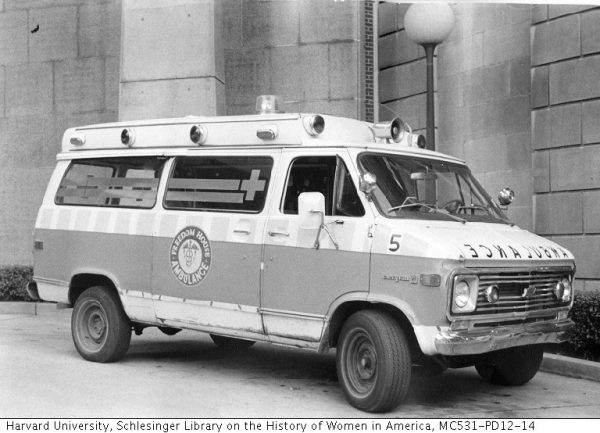
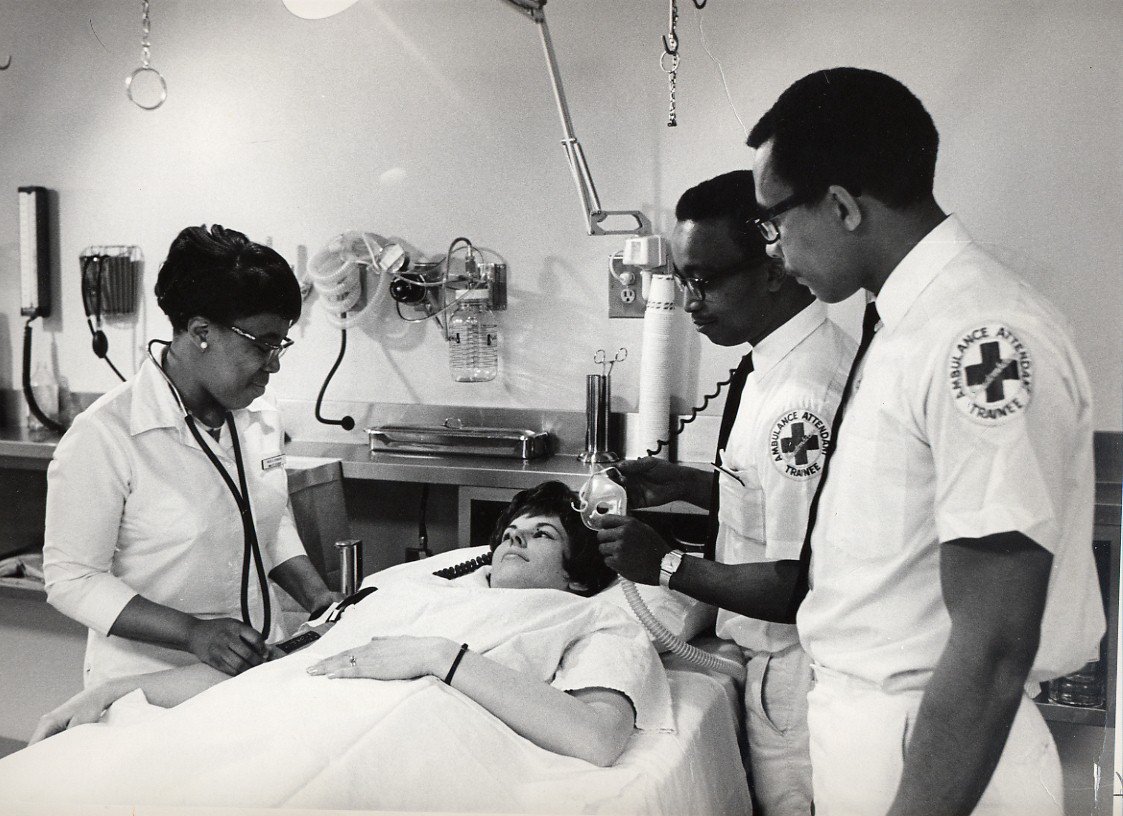
Few people know the origin of the first fully-trained paramedics. Even EMTs in the city of the profession’s birth (Pittsburgh) probably don’t.
Paramedics and EMTs are a relatively recent creation. In the 50s and 60s, there was really no emergency medicine. Hospital Emergency Rooms often weren’t open 24 hours a day. Transport to a hospital was typically carried out by the police transporting accident victims in the back of a paddy wagon or sometimes even by a mortician in the back of a hearse (someone I know personally experienced waking up in a hearse on the way to hospital).
There was no on-site emergency medicine performed, and on the ride to the hospital, cops would sit in the front with the unattended victim in the back.
I learned the history listening to a fascinating podcast on the subject. It’s called “Freedom House Ambulance Service” from the “99% Invisible” podcast. The story includes the “Father of CPR,” Dr. Peter Safar, training a group of young Black men deemed “unemployable,” competition between the fledgling paramedics and racist police departments, contending with racist accident victims, and much more.
The story is very relevant today. Back in the 60s, the responsibility of picking up and transporting injured and dying patients to the hospital fell mostly on the police force. They had little training, inadequate equipment, and mortality rates for patients was high.
As we examine the myriad responsibilities placed on our police and the sometimes disastrous outcomes and tragic results, the story of Freedom House Ambulance Service provides an example of how we might better serve those experiencing domestic violence, substance abuse, mental health issues, and more. Why not provide services of people trained specifically in those areas rather than just leaving it to the police?
We take EMTs and paramedics for granted today. It wasn’t the case just a few decades ago.
I remember a short film I saw a few times in elementary a couple times. It is just over 22 minutes long, and for some reason I just thought about it yesterday for the first time in decades.
A woman and her young son buy an sprawling, old mansion for a pittance. When they arrive they find it is inhabited by an old witch. The witch is sad and foul tempered and bemoans she is “old and unwanted. The world’s so full of evil nowadays that people don’t need witches anymore.”
They form a stable coexistence, and the young boy and the witch become friends. One morning, the witch cooks up a batch of her magic blueberry pancakes. Upon the first bite, the diner is struck with a burst of happiness. Mom and son open a pancake parlor, which becomes popular and successful, and spreads a lot of joy.
At the end of the short film, the boy and the witch go for a walk, and the witch opines:
“[In the old days] people needed a little scare now and then. But times have changed. People are already scared. They need something they can believe in. I’ve given them something to believe in: the goodness of the pancakes.
“Watch. Watch how people are eating my pancakes. They’re all happy. Some of them are happy for the first time in their life…And when people are happy, then they want to make other people happy.
“Someday, when everyone is happy, then…I’m going to start scaring them again!”
It’s a short, simple TV film with a low budget. It was made in 1969, and you might recognize the voice of the narrator: Burgess Meredith (who played Rocky’s trainer).
Funny how in 1969 a fictional witch who had lived for 300 years observed that “people are already scared.”
Not sure why this film came to my mind some 40 years after my last viewing. You can watch this simple and charming film here:
Twenty-four years ago today I enjoyed a full day playing music with my father, something I always enjoyed whenever I came home. We played our favorites: Mozart Piano and Violin Sonatas and Fritz Kreisler.
Starting on violin at age 4 in Hanau, Germany
He started me on the violin at age 4 and piano at 6, and we performed together for years at weddings, parties, and dinner music at a local restaurant.
Performing at the Blue Heron Bistro in Coos Bay, OR, circa 1986.Playing at my eldest brother’s wedding, 1993
Twenty-four years ago today was the last time we played together. The following morning, just after I left to return to Portland, he was hit by a drunk driver. He never woke up and died the following day. He was only 67.
Cherish the time you have. Life is short, precious, and fragile. Tell people how you feel.
And by all means, do not allow yourself or anyone around you drive while under the influence.
As some of you know, I like to fly-fish on occasion.
The pro, though, is my wife, and she just opened her online store featuring her own line of flies. These flies have been rigorously tested for several years, and she provides detailed information on how and when to fish these flies – something you don’t find anywhere else.
I’m really proud of her and her website, and wanted to share it with you all in case you or anyone you know might be interested in getting into the sport.
The Happiness Lab podcast is hosted by Dr. Lauri Santos. It’s a podcast that, like “Choiceology” uses the latest science to probe how our brains may lead us astray. In “Choiceology,” the focus is bias leading us to make poor choices. In “The Happiness Lab,” the focus is on what we think will make us happy, versus what actually will work.
“Our minds are constantly telling us what to do to be happy. But what if our minds are wrong? What if our minds are lying to us leading us away from what would really make us happy? The good news is that understanding the science of the mind can point us all back in the right direction.” – Dr. Lauri Santos
A psychology professor at Yale, Santos was concerned by the growing signs of mental illness and stress in her students, so she created a course, “Psychology and the Good Life,” which quickly became the most popular class in Yale’s 319-year-history. Nearly a quarter of all of Yale’s undergrads signed up within days.
Like “Choicelogy”, “The Happiness Lab” chooses a specific topic of how our brains lead us astray from what we really need and/or want, and techniques for overcoming those tendencies. In just a few episodes, I have already learned some excellent points and strategies that have made a difference to me.
My one complaint is that Santos’ podcast has a lot of ads. They are short, but about 2x to 3x as many as I typically hear. If you find them a distracting and annoying as I, find a podcast player that features a skip forward/backward 10-30 seconds feature.
I know many people are experiencing higher levels of stress in this time of isolation, heightened polarization, angst, and fear. “The Happiness Lab” may provide you with both immediate solace, and longer term plans for actions which may help you through your day to day worries and stresses.
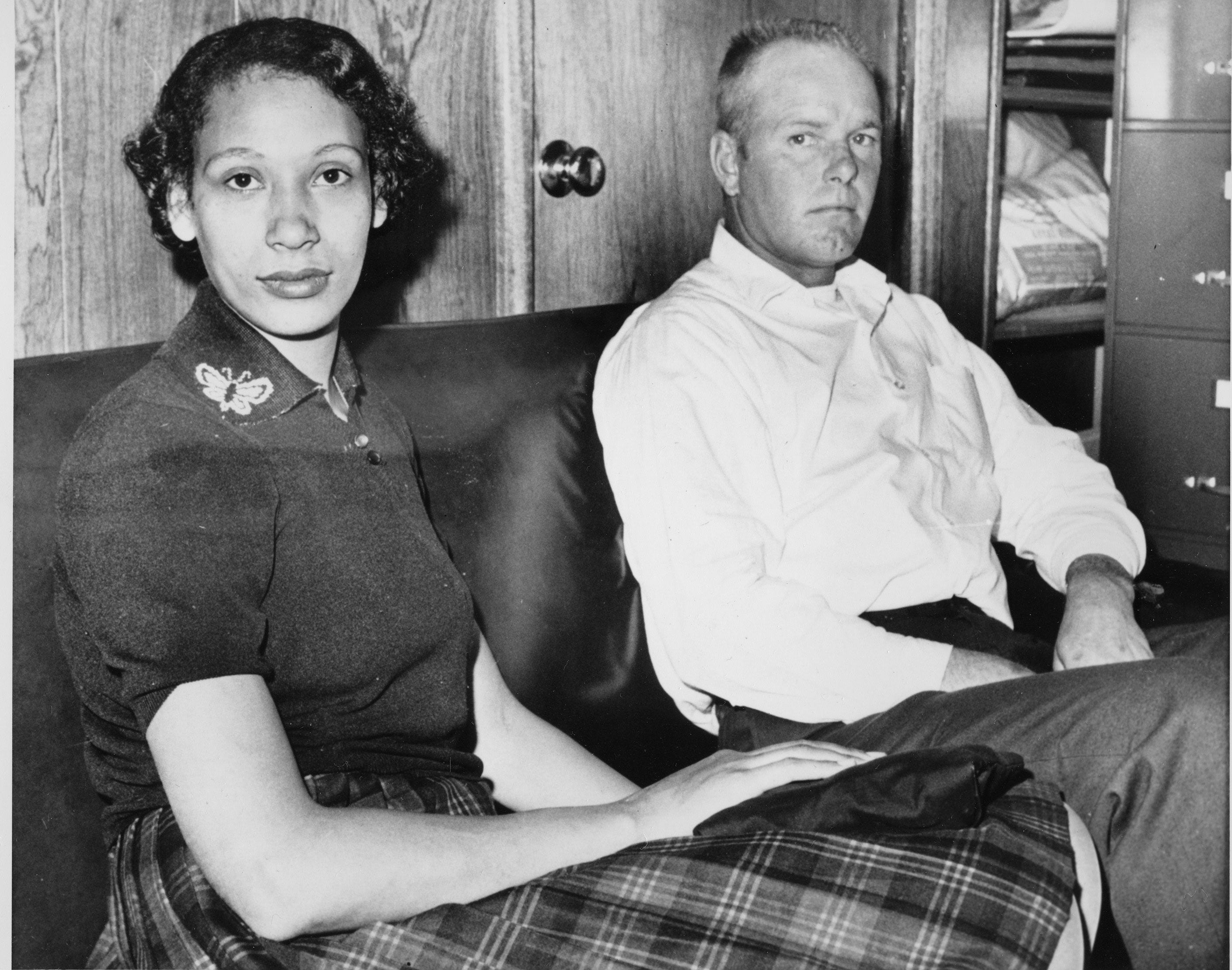
Today, June 12, is Loving Day. It remembers and honors the day the Supreme Court unanimously struck down state bans against interracial marriage in Loving v. Virginia.
Such laws are called “anti-miscegenation laws.” They typically defined miscegenation as a felony, criminalizing interracial marriage, officiating such ceremonies, cohabitation, and “fornication.”
Miscegenation comes from Latin miscere (to mix) and genus (type, family, or descent). The last anti-Miscegenation laws in the U.S. were overturned in 1967 by the Loving case.
Mildred and Richard Loving
The story of Mildred and Richard Loving is portrayed in the understated and moving film, “Loving” (2016, 89% Tomatometer) as well as the 2011 documentary “The Loving Story.”
My grandparents, married in 1911, here on their golden wedding anniversary
This was only one year before the Immigration Act of 1952 finally allowed immigrants, like my grandparents, to become naturalized citizens. By then they had lived lawfully and peacefully in Oregon for over 40 years.
My parents were married in 1958, just 7 years after it was legal in Oregon. One of my uncles, decorated for his service in WWII, was barred by law from marrying his wife in Oregon. They traveled to Washington state to get married. Washington banned whites from marrying Blacks or Native Americans until 1868 (the law was repealed prior to statehood).
My parents’ wedding in 1958
The pain of racism and persecution my mother experienced growing up and as a young adult was apparently still keen at the time of my parents’ wedding. We, her sons, learned in recent decades that my parents discussed whether to even have children. They were afraid of the bullying and persecution their “mixed” children might face. They decided to go ahead and ended up having three sons.
They also debated whether to give any of their sons Japanese names. My middle brother almost got one, but then they backed out. I got my mother’s family name as my middle name, and thus am the only one of their children to receive a Japanese name.
Things have changed significantly since 1967. Between 2008-2010, the number of newly-married couples of mixed race in Western states had increased to about 1 in 5 (22%). The percentages were 11% in the Midwest, 13% in the Northeast, and 14% in the South.
Happy Loving Day to you. Due to the pandemic and the protests around the country, I will be taking a quiet pause to think about the Loving family, the case and its legacy, and invite you to do the same.
The Newport Symphony of which I have been a member for over 15 years, has been posting videos of various musicians during this time of physical distancing. The most recent video features my friend and concertmaster, Casey, performing the achingly beautiful and sad second movement of Eugène Ysaÿe’s 2nd Violin Sonata, titled “Malinconia” followed by the upbeat and joyful Gigue from Bach’s Partita #3 in E, BWV 1006.
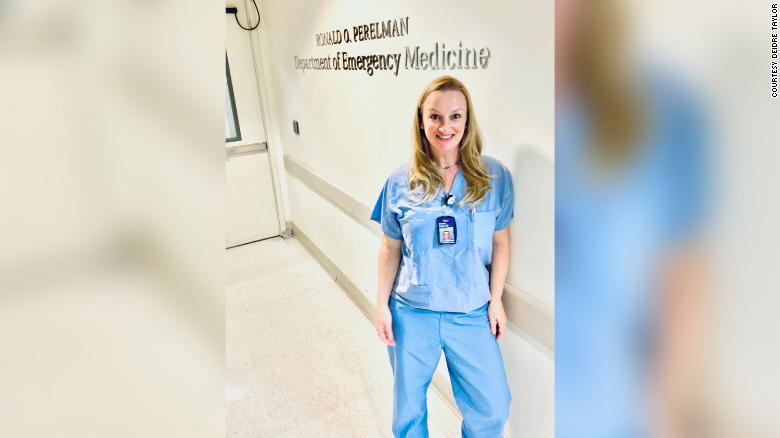
Deirdre Taylor was rescued from a NYC apartment fire 37 years ago when she was just 4 years old. The firefighter who saved her life was Eugene Pugliese.






 Blatant Calm