Today, June 12, is Loving Day. It remembers and honors the day the Supreme Court unanimously struck down state bans against interracial marriage in Loving v. Virginia.
Such laws are called “anti-miscegenation laws.” They typically defined miscegenation as a felony, criminalizing interracial marriage, officiating such ceremonies, cohabitation, and “fornication.”
Miscegenation comes from Latin miscere (to mix) and genus (type, family, or descent). The last anti-Miscegenation laws in the U.S. were overturned in 1967 by the Loving case.
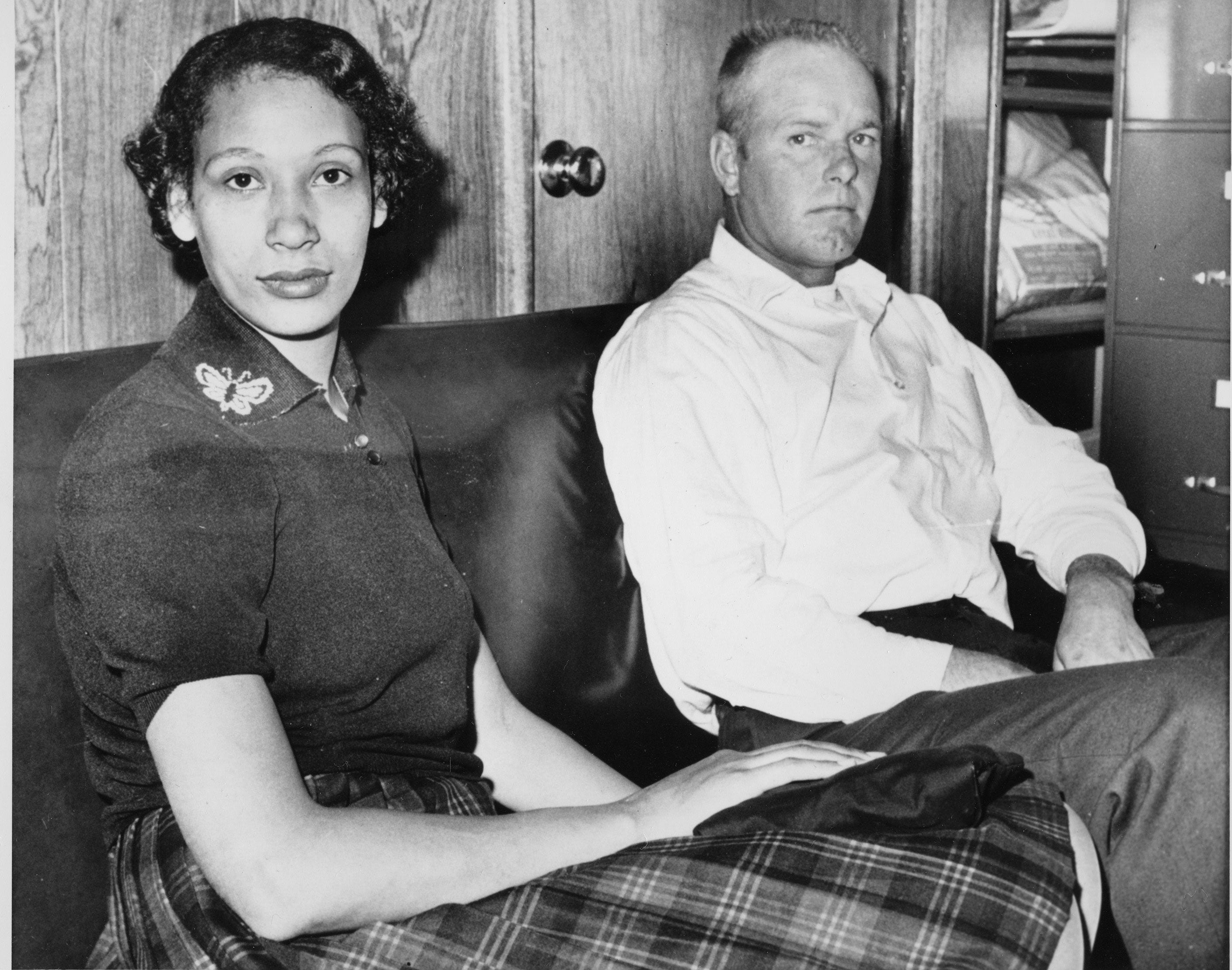
The story of Mildred and Richard Loving is portrayed in the understated and moving film, “Loving” (2016, 89% Tomatometer) as well as the 2011 documentary “The Loving Story.”
This topic hits close to home for me. My home state, Oregon, was the last state on the West Coast to repeal its anti-miscegenation laws in 1951. Laws varied from state to state, but prior to 1951, Oregon banned whites from marrying Blacks, Native Americans, Asians, and Native Hawaiians.

This was only one year before the Immigration Act of 1952 finally allowed immigrants, like my grandparents, to become naturalized citizens. By then they had lived lawfully and peacefully in Oregon for over 40 years.
My parents were married in 1958, just 7 years after it was legal in Oregon. One of my uncles, decorated for his service in WWII, was barred by law from marrying his wife in Oregon. They traveled to Washington state to get married. Washington banned whites from marrying Blacks or Native Americans until 1868 (the law was repealed prior to statehood).

The pain of racism and persecution my mother experienced growing up and as a young adult was apparently still keen at the time of my parents’ wedding. We, her sons, learned in recent decades that my parents discussed whether to even have children. They were afraid of the bullying and persecution their “mixed” children might face. They decided to go ahead and ended up having three sons.
They also debated whether to give any of their sons Japanese names. My middle brother almost got one, but then they backed out. I got my mother’s family name as my middle name, and thus am the only one of their children to receive a Japanese name.
Things have changed significantly since 1967. Between 2008-2010, the number of newly-married couples of mixed race in Western states had increased to about 1 in 5 (22%). The percentages were 11% in the Midwest, 13% in the Northeast, and 14% in the South.
Happy Loving Day to you. Due to the pandemic and the protests around the country, I will be taking a quiet pause to think about the Loving family, the case and its legacy, and invite you to do the same.
 Blatant Calm