Category Archives: Uncategorized

Upcoming historical talk on January 20, 2022

1/1/2022 Update: You can now register for my talk on the Take PART webpage!

I have been invited by Take PART to speak about my mother’s family experience being unjustly incarcerated (along with 120,000 others) during World War II. The free talk will be online using Zoom. During my talk I will be showing family pictures, providing historical context, and sharing video clips of my mother from various talks she has given in the past. At the end I will invite questions and discussion. I sincerely and warmly invite you and everyone you know to join online live.

Here are the details:
When: Thursday, January 20, 2022, 7pm Pacific Time
Where: Online Zoom Meeting
Cost: Free (register by clicking here)

Register online (for free) to obtain the Zoom meeting details. Event details and registration are now posted on Take PART’s webpage.

If you are unable to attend, a recording will be made available at a later point (but I really hope you can join live!).

Uncle Gene, Uncle Itsuo, Grandma, and mom at Heart Mountain Relocation Center, circa 1944

Take PART is the Portland Anti-Racism Team, a group whose mission is to confront racism and engage in dismantling the systems that continue racial inequality.

I am very impressed with their talks and presentations which I find thought provoking, respectful, and very enlightening. Past presentations can be viewed online here.

Is Cruelty Inevitable?

Summary: Challenging two examples, a novel and a psychological experiment, normally unquestioned in their conclusion that humans tend naturally to be cruel.

During the last month or two I was active on Facebook, I posted about my dislike of William Golding’s 1951 novel, Lord of the Flies, the book I read in school as well as the 1963 film. I compared it with a real-life story where a group of 6 boys, aged 13-16, were marooned for more than a year on an islet south of Tonga.

Here’s what I originally wrote on social media:

I remember reading William Golding’s 1951 novel, _Lord of the Flies_ in school and watching the 1963 film. I remember being horrified by the depths of cruelty and savagery to which the boys in the story descend.

I don’t remember anyone seriously questioning whether the darkness described in the book would be realized in real life. After all, there is no shortage of bad news, bad behavior, cruelty, and violence in the world.

Believe it or not, there is a real-life example. In 1965, six boarding schoolboys, ages 13 to 16, were marooned on a desert island for fifteen months. They had long been given up for dead and their families held funerals.

Did they descend into the violence and cruelty described in Golding’s novel? No. They took care of each other (including one who broke his leg), tended a garden, made a makeshift gym and badminton court, constructed a musical instrument, and kept a permanent fire burning for more than a year (in stark contrast to the fights over fire-tending in Golding’s novel).

Peter Warner, the Australian captain who first discovered the boys wrote in his memoirs:

“Life has taught me a great deal, including the lesson that you should always look for what is good and positive in people.”

My Facebook Post from May, 2020
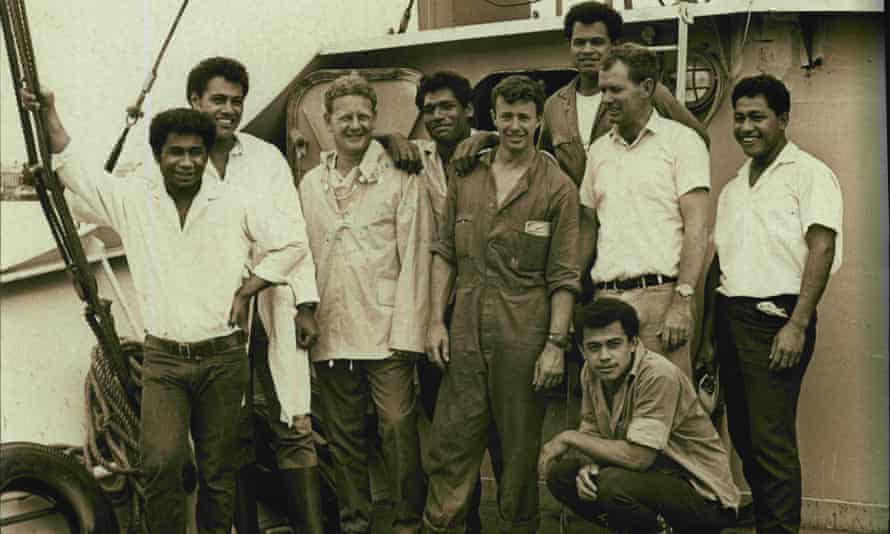
Mr Peter Warner, third from left, with his crew in 1968, including the survivors from ‘Ata.
Mr. Peter Warner, third from left, with his crew in 1968, including the survivors from ‘Ata. 
Photograph: Fairfax Media Archives/via Getty Images


I was reminded of this story when I listened to a recent episode of the “Criminal” podcast. Episode #178, “The Experiment Requires That You Continue” recounts the famous — and infamous — Milgram Psychology Experiment. Every psychology student learns about it, and it is well known well beyond academia.

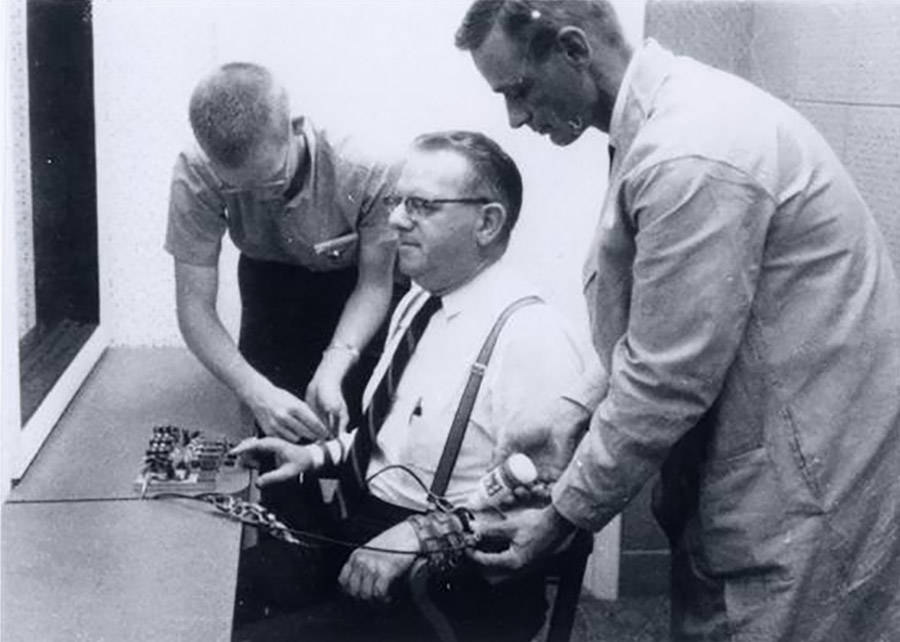
In it, subjects (called “teachers”) were directed to deliver shocks of gradually increasing levels of power to someone in another room (called “learners”) every time the learner made a mistake on a simple memory test.

The Milgram Experiment Showed That Anyone Could Be A Monster

Testers could not observe the learners, but they could hear the shouts and screams of pain and begging for mercy (which were performed by trained participants; in fact, no one was being shocked or injured).

If the tester hesitated or refused to administer a shock, the experimenter was supposed to give these verbal prods in order:

  1. Please continue or Please go on.
  2. The experiment requires that you continue.
  3. It is absolutely essential that you continue.
  4. You have no other choice; you must go on.

If the tester refused to continue after Prod 1, then Prod 2 was supposed to be given. If the tester refused after all four prods had been spoken, the test was halted.

The finding trumpeted by the experiment was that 65% of the “teachers” administered shocks all the way up to the fatal top 450-volt shock and everyone administered shocks of at least 300 volts.

The conclusion was that people are, in general, very susceptible to directions given by authority figures. Milgram drew parallels between his findings and the comments of Nazi war criminal Adolf Eichmann who claimed innocence and that he was only following orders.

There is a need to draw a line between the leaders responsible and the people like me forced to serve as mere instruments in the hands of the leaders … I was not a responsible leader, and as such do not feel myself guilty.

Adolf Eichman in a letter to Israeli President Yitzhak Ben-Zvi in 1962

Like Lord of the Flies, the Milgram experiment’s disturbing conclusions are presented as awful truths about the dark weaknesses in human morality.

Gina-pic-web
Gina Perry

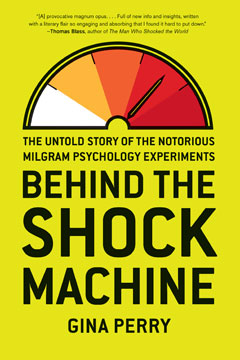
However, Gina Perry, in her book Behind the Shock Machine (The New Press, 2013), went back to scrutinize the experiment. She found inconsistencies in how the tests were administered, and much more variability in the results.

Behind the Shock Machine

The 65% claim was from one test of only 40 subjects; other tests had far lower percentages. She also found examples in which the administrators did not follow the strict guidelines (e.g. issuing more “prods” than the four outlined above). And when the test was administered outside the hallowed halls of Yale University at a smaller college, testers were far less willing to administer shocks.

I plan to purchase and read Perry’s book. I recommend you listen to the Criminal podcast to hear Perry talk about her work and some of the interesting facts she uncovered researching her book.

This Is Criminal Episode #178

Golding’s novel and the Milgram Experiment both speak to the darkness within the human psyche and the cruelty into which people may naturally descend. No doubt such darkness exists in us all.

Yet the story of the Tongan castaways and Perry’s book, though less sensational, provide instructive alternatives to the assumption that cruelty and selfishness are our natural and inevitable states of being.

Links:

The story from the Guardian: The real Lord of the Flies: what happened when six boys were shipwrecked for 15 months

Perry’s Book: Behind The Shock Machine

Criminal Podcast Episode #178: The experiment requires that you continue

Happiness Through Lowered Standards – Navigating Customer Support

Back in the 90’s, Saturday Night Live aired a funny skit featuring Jon Lovitz titled, “Lower Your Standards.” In it, Lovitz plays a sniveling, slimy, overconfident guy on a dating ad encouraging American women to “lower your standards!”

I often ruefully recall that skit whenever I navigate customer service, online support websites, and online chat windows. Having worked for decades offering IT support, I have watched with dismay the decline in the level of customer service in most industries.

floating headset with dropshadow

But last night I was unexpectedly surprised and delighted – and I didn’t interact with a single human.

A part on the door of our LG washing machine broke. I don’t even know what to call the part. On the inner side of the door is a spring-loaded magnet. It allows the empty washer door to remain ajar to dry out while holding the door one just one inch open (so it doesn’t swing out and take up space or block or strike something or someone nearby).

I anticipated a lengthy, difficult navigation through explaining the problem (probably repeatedly) and hopefully getting a replacement part identified, purchased, and sent to me.

I took a bunch of photos using my smartphone of the label showing the serial number and model of the washer, the door, and broken part. Then I tromped over to my computer to see what support I could muster. It was 8:30pm on a Sunday evening, so my expectations were low.

The washer is an LG, so I went to the LG website and selected “Support.” I entered my washer’s model number. It popped right up. I then clicked the “Contact Us” button. Unsurprisingly, no live support was available on a Sunday evening.

I saw there was a “Chat with Us” feature, which surprisingly was available 24×7. Still, I didn’t expect a live human to chat with, instead more likely a mindless auto chat bot. But I went ahead and clicked it and the online conversation began.

The chat bot prompted me to describe the problem and/or part I needed, and I did the best I could. It responded with a US authorized parts supplier in Georgia and offered up the phone number and website.

I navigated to the GA parts website, entered in my washer model number, and navigated to replacement parts. Prompted for the part, I simply entered “door magnet” and the part came right up including a photograph nearly identical to the one I took of my broken part!

Picture from the parts supplier

Within minutes I had placed my order, and moments later I received an email letting me know the part should arrive in a week.

So this was a success story. Many, perhaps most manufacturers do not provide a easily navigable path to solving one’s own problem, and some people would rather speak to a human being than click and search through various support sites.

Here are my suggestions for increasing the likelihood of success should you need help finding a part or fixing a broken appliance.

  1. Take a photo with your smartphone of the serial number and model number
    Most support sites or customer service numbers will need your model number and/or serial number. Serial numbers and model numbers, especially for appliances can be long and complex. Often these labels are in locations difficult to read (inside door frames, on the back or bottom, etc.). Also, the font size can be small. Using your smart phone makes it possible to zoom in and read the codes accurately.

    Manuals and paperwork for your appliance may not list the entire codes, so you have to find the label or sticker on your appliance that lists both.

    So just make it easy and take a picture using your phone.
  1. If possible, take photos of the problem/broken part/etc.
    Describing a problem either in text or over the phone to a customer service representative or repairperson can be difficult. A few photos may help them more quickly figure out what is wrong and what is needed versus understanding what you are describing. In some cases, it may make sense to record a short video of the problem.
  2. Give online chat a try
    I know many people prefer speaking to a human rather than typing a conversation. But the live support hours of availability may be limited, and you may have wait on hold listening to annoying hold music and advertisements telling you “how important you are” while you have to wait.

    Additionally, poor connections, strong accents, and hearing issues can make talking over the phone less than ideal.

    Some chat systems are very unhelpful and requiring you to jump through a bunch of steps before you can describe your problem and needs.

    But chat systems may
    a) available more hours (as was the case for me),
    b) allow you upload the pictures you took,
    c) offer you a written transcript of your conversation which you can refer back to, and
    d) email you the chat conversation to you for your records.
  1. Email all the details
    If your only option is to send email, take the time to clearly describe the problem. Get to the point quickly, include all the details (what happens, how to reproduce the problem, model/part number), and attach the pictures you took.

Conclusion

I take pride in the service I try to provide my clients. It is rare that, as a customer, I receive the level of service I try to provide others (and when I do, I definitely let the person know!).

I do have empathy for people who have to provide customer service – it is often and thankless job, and the only people who contact you have a problem and are often upset.

I try to remember this when I seek support. I collect all the information and take all the pictures I think might be needed before reaching out for support. I try to be patient with the person on the other end of the phone/screen. If there is an option for online chat, I give it a try.

Admittedly, most of my support experiences are, at best, adequate. This experience, even though I had no interaction with another human, was a pleasant surprise.

Toby and the Magic Cascatelli

Those who are comfortable in the kitchen may be amused by my anxious gastronomic flailing. But novice and intermediate cooks may learn something interesting and helpful from my journey.


Part 1: The reluctant and insecure cook

I like good food. I have traveled and enjoyed cuisines all over the world. I have known and enjoyed the cooking of some very good chefs. In the past I have worked in the wine industry and know a bit about wine. I am not a picky eater, nor am I a harsh judge of food. But I can recognize and am delighted when I am served excellent food.

I am not a good cook. I lack knowledge, experience, and confidence in the kitchen. Whereas I may be able to keep a cool and level head in many areas others might find stressful (public speaking, performing music and dance, etc.), I am wholly devoid of confidence and grace in the kitchen. 

The rare moments I attempt to follow a recipe, I carefully line up all the ingredients in order on the counter to save me the severe anxiety and stress of finding myself midway through a recipe and missing a key ingredient.

In short, beyond my confidence in making good and interesting fresh salads, I cook less than once a month beyond the fried egg or pancakes here and there.


Part 2: The Story of Cascatelli

I am an avid listener of podcasts. A podcast may promote another podcast, and one of mine (I can’t remember which) played an episode from Dan Pashman’s “The Sporkful.”

This James Beard and Webby Award-winning podcast is all about food, and the episode I heard was from a series called “Mission: ImPASTAble.” 

In it, host Dan Pashman embarked on a 3-year quest to invent a new pasta shape. He reviewed and tasted existing pasta shapes, visited pasta making mills, researched different wheat used to make pasta, and more. 

Pashman’s goal was to invent a new pasta shape to which sauce would readily adhere (“Sauceability”), was easy to get onto your fork and keep it there (“Forkability”), and was satisfying to sink your teeth into (“Toothsinkability”).

I was hooked and binge-listened to the whole series in a day or two. From the trials and errors of developing a pasta shape that met his three criteria, trying to decide on appropriate name for his pasta, finding a company that would manufacture it, sinking a lot more money than he planned or expected into the venture, and waiting anxiously to see whether the pasta would sell or he would go deep into debt, I listened intently, eager to hear how it all ended up.

Here’s How To Buy Dan’s New Pasta Shape, Cascatelli
Cascatelli by Sporkful

Long story short: his pasta is a resounding success. You can order it, but as of this writing wait times are 2-4 weeks (which is an improvement from the 4-week wait just a month ago).

What a great story, I thought. I shared the podcast series with a few friends, including a friend who is a professional chef. Then I forgot about it.


Part 3: A Surprise Gift 

My friend surprised me with my own box of Cascatelli.

I was excited to receive it, but immediately decided such a fine pasta really needed more than store-bought sauce to go on it.

Repeatedly through the podcast series, Pashman bemoaned and denigrated spaghetti (and several of its pasta cousins) for its utter lack of ability to adhere to and deliver sauce in each bite. He really wanted a pasta that could be a delicious carrier of a good meat sauce.

I had never made a meat sauce and wouldn’t recognize a good meat sauce recipe if it hit me in the face. So I asked my friend to help me. They suggested the following Ragù di carne (Bolognese) recipe from the Splendid Table:

Photo: Gentl and Hyers / Sauces and Shapes

Bolognese Meat Sauce by Oretta Zanini De Vita and Maureen B. Fant

They immediately suggested some substitutions and modifications (something I would loath to do on my own): bacon instead of pancetta, forget the chicken livers (no argument there), cream instead of milk, add a pinch of sage, and half the cooking times.

There were to be more alterations before the meal was cooked, much to my great anxiety (I will list all the modifications and substitutions at the end of this post).


Part 4: Can You Take the Heat in the Kitchen?

I didn’t line up all the needed ingredients in order on the counter as I normally would do (foreshadowing alert!). I made a list of needed ingredients and headed out to pick them up. Once home, I started in.

Apart from a minor snafu using the new food processor to mince the veggies, things started out okay. 

The recipe measured the meat and many of the ingredients by weight, which was new to me. Fortunately, we own a good kitchen scale, and I delighted myself by plopping the correct amount of ground pork within 2 grams on the first try (I actually think I’d prefer using weight in recipes…).

The meat in the pot beginning to brown, I came to the part in the recipe calling for tomato paste dissolved in water. Where was the tomato paste? I hadn’t put it out. I went to the pantry and started digging. I knew there was a tube of Napoleon tomato paste in there somewhere…

With mounting anxiety, I frantically started pulling cans out of the crowded pantry. Whole skinned tomatoes, tomato sauce, crushed tomatoes, ketchup … no tomato paste. Frantic with the fear I was going to ruin all that wonderful high-quality meat I had browning in the pot, I sent an urgent cry for help to my friend, the chef.

They assured me I could simply substitute half tomato sauce, half water for the dissolved tomato paste mixture. Crisis averted, I allowed myself a glass of the cheap red wine I had opened for the sauce.

Then I read further, and realized I still had a couple hours of cooking to go. It was already 8 PM. “I guess I won’t be eating this tonight,” I thought, glumly. The kitchen smelled incredible. I was bummed I wouldn’t get to enjoy the fruits of my anxiety, er, labor, for another day.

My friend assured me that although many people like to cook their meat sauces a really long time, covered, over low heat, we could raise the temperature a little, leave the pot uncovered, and significantly reduce the cooking time. The main goal was to reduce the liquid.

They had also recommended cream instead of milk (half the volume listed in the recipe). Further, there was no need to follow the recipe’s direction to pour a little in, cook a while, add a little more, and repeat. Pour it all in, stir it, and cook it down was their advice.

I did so, and as the sauce cooked down, I started the water for the pasta. While both pots cooked, I removed a hunk of Parmesan cheese from the fridge, and following another tip from my friend, used a clean vegetable peeler to slice thin shavings of cheese.

The pasta finished, and the meat sauce was cooked down enough. I served myself my first bowl of Cascatelli with my first self-homemade Bolognese sauce with flakes of cheese sprinked on top. My fork sank into the pasta and delivered the first taste of my meat sauce to my taste buds…

It tasted the best of anything I’ve cooked in my life and was possibly the best meat sauce I’d ever tasted anywhere. The fact I’d made it myself might have skewed my judgement a little…

My first bite…

Part 5: Recipe Modifications / Things I Learned

Here are the variations from the original Splendid Table recipe as well as other tips I learned along the way:

  • Use bacon instead of pancetta
  • Olive Oil – no need to use fancy/fruity olive oil when you are cooking; I do have some fine olive oil, but I just used my big bottle of extra virgin
  • Chicken livers – omitted these completely
  • Prosciutto di Parma is optional; I went ahead and bought some, but I couldn’t find any unsliced and had to manage with super thin slices
  • Dry red wine – don’t use cooking wine; buy some cheap red wine (or white). Cooking wine contains stabilizers and preservatives. Buy a wine you can sip during and after cooking
  • Tomato paste: LFMF – in this case, I had none, and was able to substitute ½ cup Tomato Sauce and ½ cup water
  • ¼ cup cream (heavy or whipping cream) instead of ½ cup whole milk
  • Add a pinch of sage when adding the liquids
  • Wooden spoon – forget it, unless you are using a non-stick pan, any spoon will do
  • Add the salt and pepper earlier when you add the wine and tomato paste/sauce
  • Simmer, uncovered, and cut the cooking time in half or more. The main thing is to reduce the liquid
  • Instead of using a grater, slice thin flakes of cheese using a vegetable peeler

Notes on cooking pasta:

Use more salt in the water. In my case, I put two generous tablespoons of kosher salt into my big cooking pot. Apparently, few people salt their water enough when cooking pasta at home. This is why pasta in restaurants often tastes better.

Don’t rinse pasta when it’s done cooking. Rinsing pasta removes starch from the surface of the pasta making it slippery. Your sauce won’t adhere to the pasta. 

Instead, simply drain it in a strainer or sieve and reserve some of the starchy water you cooked it in. That way, if the pasta starts to get dry or stick, you can use that cooking water to loosen it up without removing the starch. 

Don’t worry about your pasta continuing to cook without rinsing it in cold water. Once out of the hot cooking water, the pasta will stop cooking.

I’m a little annoyed that Dan Pashman didn’t put these cooking directions on this Cascatelli box. He does say “generously salted water,” but it seems like the “don’t rinse away the starch” should be front and center since “Sauceability” was such a big requirement for his new pasta.

Conclusion:

I loved my pasta and meat sauce and am so grateful to my friend who gifted me the pasta and talked me off the ledge several times during the cooking process. I was also grateful for all the cooking tips I received.

I delivered a serving of my pasta and sauce to a grateful neighbor. Good meals should be shared!

I hope you enjoyed my story and maybe learned something helpful too.

Part 2: How to Save Significantly On Your Prescription Drugs – Buying from Canada

This is the second in a two-part series on how to save money on your prescription drugs. If you haven’t already, click here to read Part 1.

Update: I’ve just added a third post to this series. Click here for Part 3.

In the previous post, we saw how GoodRx may save you hundreds of dollars on your prescription drugs — even if you already have good prescription drug coverage through your health insurance plan.


Update: When I first wrote this piece, I assumed purchasing drugs from Canada was rare and mostly unknown. However, in less than 24 hours since I posted this piece, three people I know have told me they have been purchasing drugs from Canada for some time already.


Another study found that even though the vast majority of medications sold in the U.S. are imported, they cost up to 87% less in Canada, and even less in other countries.

Take Restasis (Cyclosporine), which is a common eye-drop drug prescribed for dry eyes and eye inflammation. Using GoodRx, we find prices for 60 vials of .4 ml drops to be well over $600:

Another popular drug savings website/app, RxSaver.com, does no better:

How would you like to pay half or even a third as much? That is possible if you purchase prescription drugs from Canada.


Update: A friend shared their Restasis story with me:
They were prescribed Restasis by their opthalmologist. Through their employer-provided health insurance plan, they were able to purchase Restasis at $60 (a very good price). They carefully were able to squeeze three doses out of each single-dose vial and through this method over years were able to hoard and build up a supply.

They said, “The # of friends who asked me to sell them my Restasis is staggering.”

Their hairdresser, even their primary care physician asked if they could buy Restasis from them.


But wait, you might protest. Is it safe? Is it legal?

Is it legal?

Short answer: No, it is not. 

Longer Answer: Although it is illegal, as long as you have a valid prescription, you should be okay:

  1. The House of Representatives has passed three versions of bills that would allow consumers to import legal drugs for personal use.
  2. The FDA and Customs Agents do not care, so long as you have a legal prescription.
  3. If they really cared, the FDA and Customs would have to arrest the states of Wisconsin, Minnesota, Illinois, Vermont, as well as many city governments and private employers who take advantage of lower drug costs by purchasing them from Canada.

Here are three websites that explain in more detail this illegal-but-not-enforced situation: WebMD, ElderLawAnswers, RxSaver

Briefly, these are the steps to take to order prescription drugs from Canada:

  1. Obtain a written prescription from your doctor.
  2. Research and select a legitimate online Canadian pharmacy.
  3. Select your drug purchase.
  4. Submit your written prescription.
  5. Wait 4 to 8 weeks (yes, really).

1. Obtain a written prescription

Will your doctor cooperate?

Some physicians will work with you. If they are used to prescribing drugs that cost a lot of money, they may even suggest you seek to fill your prescription from a Canadian pharmacy. 

You must have a formal, written prescription.

Image titled Read a Doctor's Prescription Step 1

Most prescriptions in the U.S. are sent directly from the doctor’s office to your pharmacy (electronically or by phone). To order prescription drugs from an online Canadian pharmacy, your doctor must provide you with an official, hard-copy prescription.

Some doctors will not do this. They may be unfamiliar with the illegal-yet-unenforced practices of the FDA and Customs, or may believe the myths about the “safety” (or lack thereof) of drugs purchased abroad.

Depending on the costs and cost savings, you may need to locate a different doctor. I personally know someone who did this and saved hundreds of dollars.

2. Find a legitimate pharmacy 

You need to exercise care when you seek to fill prescriptions from a Canadian pharmacy online. As with anything on the internet, you need to do appropriate research to avoid getting swindled.

First, look for pharmacies that bear the CIPA (Certified Canadian International Pharmacy) Seal:

Second, ensure the one you are considering truly is one of the 63 websites authorized to carry that seal. Those are listed on the CIPA website.

You may also check Pharmacy Checker, which includes Canadian online pharmacies.

Plus, any legitimate Canadian pharmacy will require a written prescription. You will either need to fax or scan and upload a copy of your prescription.

3. Select your drug purchase

Depending on the drug and the pharmacy, this may not be quite as straightforward as you might wish.

The drug name may vary, depending on whether you go with a brand name or generic. Also, the strength, size, and/or dosages may not correspond. Take your time to research the options and contact your doctor if you have questions.

Also, you may be offered a selection of drugs manufactured in many countries (India, China, Turkey, Canada, Belgium, etc.). 

Should you trust drugs manufactured in India, China, or elsewhere?

If you purchase prescription drugs in the U.S., you likely are already taking drugs manufactured in those countries. The vast majority of drugs administered in the U.S. are manufactured in China, India, and elsewhere. Research shows that 70% of popular brand-name drugs sold in the U.S. are imported

4. Submit your written prescription

As stated previously, any legitimate online pharmacy is going to require a valid prescription to fill your order. Most sites will let you upload your prescription. Either scan it or take a picture of it, then upload the image. If you have access to a fax machine, you may send it that way too.

5. Wait 4 to 8 weeks(!)

The biggest drawback about ordering prescriptions from Canada is that you may have to wait several weeks to receive your order. This is because drugs are not usually stocked in Canada and must be shipped from their source. The transit time, plus customs at each international border, accounts for the delay.

Hourglass and calendar Hour glass and calendar concept for time slipping away for important appointment date, schedule and deadline waiting stock pictures, royalty-free photos & images

Read the pharmacy information carefully. Most predict a 4-to-8-week delivery time.

In our case, our shipment arrived in just under four weeks, fortunately. Even though we were provided a tracking number, we were not able to determine where the drugs were. It only displayed “In transit,” so we really didn’t know when to expect our shipment to arrive.

However, if you need refills, many Canadian pharmacies will allow you to order a refill just 30 days after your initial purchase — which might occur even before you’ve received your first order.

If you cannot wait that long for your first prescription, you may have to pay U.S. prices for your first order, then place your first refill order with a Canadian pharmacy. That way, you’ll avoid a delay in your prescription drug treatment.

Conclusion

U.S. citizens pay much more for their prescription drugs than their neighbors up north and elsewhere. Using GoodRx may help save you hundreds of dollars on the vast majority of your prescription drug purchases. If you are prescribed some extraordinarily expensive medications, consider purchasing them from Canada.

Part 1: How to Save Significantly On Your Prescription Drugs – GoodRx

This is Part 1 of a two-part series on how to save money on your prescription drugs. Click here for Part 2.

Update: I’ve just added a third post to this series. Click here for Part 3.

Medical costs in the U.S. are high and continue to grow. A major portion of these costs are prescription drugs.

In 2016, $3.3 trillion was spent on health care in the U.S. (17.9% of GDP), and $329 billion of that consisted of prescription drugs.

What can you do to save money? The first solution I recommend for everyone is GoodRx.

But I already have good insurance

That’s great! Even if you have decent drug coverage through your health insurance plan, I recommend you take a moment to visit the GoodRx website and enter in your prescriptions. It takes only minutes.

At worst, you’ll just verify and have the peace of mind that you are indeed getting the best price for your regular prescriptions.

However, I have found more often that not that GoodRx saves me more money than my insurance drug coverage!

I’ve written about GoodRx before, but will go into more detail in this post.

Briefly, GoodRx is a free service available on the web and as an Android and iOS smartphone app that lets you comparison shop as well as take advantage of coupons and pharmacy membership discounts. 

You will be amazed by how much prices can differ between pharmacies. For example, I just did a search for Amlodipine, a common drug for high blood pressure and chest pain. Discount prices ranged from $5.34 to $26.99.

Even if you have decent prescription drug coverage through your health insurance, you may find better prices through GoodRx.

The site sometimes identifies coupons to get the best price. If you look at the example above, you will see buttons on the right for “Get Free Coupon.” Simply click on the button and show the displayed coupon to your pharmacist for your savings.

Some pharmacies offer annual prescription savings clubs. GoodRx will show you the best price if you have such a membership. Typically, the memberships cost $20 to $40 per year and may pay for themselves with just one or two prescription drug purchases.

Here’s how I typically use GoodRx:

  1. When notified I have a prescription ready and waiting for pickup, I go to the pharmacy.
  2. When the pharmacist hands me the prescriptions, I immediately enter the drug name, strength, and dosage into my GoodRx smartphone app.
  3. GoodRx tells me the best price for the drug at that pharmacy; it almost always is better than the price currently listed on my prescription.
  4. I show the pharmacist the GoodRx screen with the required codes.
  5. The pharmacist takes the drugs back, reenters the codes, redoes the price, then returns the drugs to me.
  6. I pay the reduced price and take my prescription.

If you know the precise drug, strength, and dosage ahead of time, you can look up the info beforehand and either call the pharmacy ahead, or just jump to step 4 above when you arrive at the pharmacy.

GoodRx works for pet medication as well!

A friend has a diabetic cat, and the veterinarian wanted to charge more than $200 for a six-month supply of insulin. Using GoodRx, she found insulin for half the price.

As you can see, prices for drugs can vary substantially between pharmacies. If you take prescription drugs month after month, you may save money by switching pharmacies. 

Since many U.S. doctors automatically send a prescription to a drug store, you may have to instruct your caregiver to redirect your prescriptions to a different, preferred pharmacy. Although that may feel like a hassle, the savings over time could be significant and well worth your trouble.

GoodRx is free and easy to use. You don’t have to create an account or reveal any personal details or information. Consumer Reports published a worrisome report in early 2020 about potential data-sharing by GoodRx.

GoodRx responded that it would stop sharing data and posted instructions on how it uses your information and as well as how to delete data from Facebook.

Even if your data still might be shared, the savings could be too great to pass up.

In Part 2, we’ll look at even more significant potential savings if you purchase from Canada.

Pandemic 3: Showing Our Medical Staff Gratitude in the time of COVID-19

This is the third in a three-part blog series about COVID-19. If you haven’t already, you may go back and read Part 1 and Part 2.

To show our appreciation for everything you do, use promo code  "EVERYDAYHEROES" and receive 15% … | Nurses week quotes, Happy nurses week, Nurse  appreciation quotes

My previous two posts described patients and medical staff grappling with the arduous and unrelenting pandemic.

Those posts were sobering, and now I want to share some news about positive actions people have taken in their communities to support and thank overworked staffs providing medical care.

My classmate, Rachel, owns Salon 7. She noticed many of her healthcare clients were worn out – some dozing off while she was doing their hair.

Rachel started asking what she could do to help. One request was for snacks, since healthcare workers are now so overstretched that they rarely get to take their lunch breaks.

Rachel went to work and sent out requests over social media for “fruit snacks, protein bars, granola bars, things that they can slide into their pocket…” She also asked people to write thank-you cards. Here is one home-made card from one of her clients’ kids:

Snacks for Healthcare Workers photo 3
Rachel holding a home-made thank-you card

Rachel’s invitation resonated with clients, friends, and members of the community and she was able to collect two trucks’ worth of snacks and beverages to distribute.

No photo description available.
Some of the donations Rachel collected

Rachel’s efforts have provided healthcare workers in her community with hope and a gentle reminder that the community supports them. She has also provided a clear, easy, and tangible way for members of the community to do something to help and give thanks.

In a world of negativity I was kind of bummed out and this really made me feel better honestly because there is no divide here; it’s helping people that are saving our families.

Rachel Ridge

Rachel’s efforts made the local news. You can read more about it and see a video here.


Another classmate of mine was inspired by Rachel’s donation drive.

Rachel and my classmate, Melissa, decided to replicate the effort in our hometown. She invited people to donate snacks, beverages, and write cards of appreciation to send to the nurses and medical staff of the local hospital. And the donations started coming in:

No description available.

Melissa wrote me just this morning: “I have to deliver because it’s filling up my house!”

No description available.
Melissa’s first delivery of donations

Conclusion

There is no shortage of bad news: locally, nationally, and abroad. It is easy to get depressed and scared.

The story is often retold of Fred Rogers’ mother counseling him when he was a boy in times of fear and distress to “look for the helpers.”

My friends, Rachel and Melissa, have heard the call, and raised it to “be one of the helpers.”

Even small gestures can have a big impact on both the receiver and the giver. Please consider becoming a helper, even if just for one person.

Pandemic 2: Providing Medical Care To COVID Patients

This is the second in a three-part blog series about COVID-19. Please also read Part 1 and Part 3.

I have been very moved by the responses my previous post has generated.

One can be easily numbed and unmoved by the steady drumbeat of bad news and misleading statistics produced by the news media. Sometimes personal stories can deliver more of an impact.

I had a lengthy chat with a friend who is an RN in an ICU in Portland. He provided a lot of information many outside health-care industry may not know.

Below are excerpts of my ICU RN friend’s comments interspersed with a few annotations of mine as well as comments from other friends and acquaintances who work in health care.

Update: I continue to receive messages from friends who provide medical care. I will update this post and its comments with their submissions.

I. The early phase of the COVID-19 Pandemic before vaccines were available.

Well, it’s definitely been a crazy 18 months through the pandemic. It has been strange how our perspectives as nurses have changed. There was so much uncertainty at the beginning … we were not sure what we were dealing with and how to manage it. But now it seems to have become almost routine in a sense … “yep another COVID patient.”

At the start [before vaccines were available] all of the patients were ones that just happened to catch the virus and were unlucky enough to be hospitalized in the ICU.

We felt so bad for these patients…. There were so many that the made a cut off on who could be intubated and put on a ventilator. You basically had to be 65 or less and have very few co-morbidities … then you would get a chance on the ventilator and hopefully your lungs would heal.

II. The ECMO Machine

Some were so sick that they were put on lung bypass or ECMO machine.

An ECMO machine (extracorporeal membrane oxygenation machine) is a heart-lung machine that can be used when a patient’s heart and/or lungs are too damaged to sufficiently supply the body with oxygen. It can be used in full heart-lung mode, or just lung mode.

ECMO machine | New Scientist
ECMO Machine

These machines are rare. My friend estimates there may be two dozen ECMO machines in the Pacific Northwest and Alaska, and maybe 16 in the greater Portland area.

[ECMO machines were used for] the sickest of the sick when even a ventilator couldn’t help them. [An ECMO is] like heart by-pass in the OR, but this machine is for use at the bedside. We can set the machine up to just support the lungs. We were able to save a few but often the lungs were too damaged to even help with ecmo … it is a very very limited resource and takes 2 nurses at bedside.

III. Change of Heart

“My most recent patient was an older lady and did not get the vaccine because she was afraid of the side effects … she was now dying of COVID and wasn’t a candidate for a breathing tube.

IV. Frustration with the unvaccinated

I think a lot of us nurses are just exasperated at people who can get the vaccine and choose not to get it and then end-up in the ICU seriously ill … we have been dealing with COVID daily for the last 18 months …

I think like most things people don’t care until it personally impacts them in a negative way, sometimes even that doesn’t help …

Nursing is so much about care and compassion and you really have to dig deep when caring for patients that refuse to get vaccinated.

… for me in the ICU it is harder to get a whole lot of personal reflection with these type of patients because they are literally crashing when they arrive.

… a lot of the time we are just holding our tongue … as we prep them for intubation…. you just want to say “See, don’t you wish got your vaccine? You get this breathing tube instead .…”

Another RN friend wrote about being confounded by those who resisted the vaccines, but unquestioningly and readily accept hospitalization and drugs when they get very sick:

The comments [in your blog post] from people echo a lot of what I have seen in the last month. There have been some who, on their deathbed, say “I wish I would have gotten the vaccine” and conversely those who are adamant that even though they were on massive amounts of support and oxygen, leave the hospital and have no regrets about not opting for the vaccine. The curious thing is that a number of those with vaccine hesitancy related to concerns of what is in the vaccine and who end up in the hospital ask no questions — zero — regarding the medications we use to treat them.. namely remdesivir, dexamethasone, nebulizer breathing treatments, etc.

A college classmate who is an MD and professor of medicine at an Ivy League university wrote me:

I often wish it were a requirement for those who oppose vaccination (or masking) to spend one hour in an ICU watching a healthy 16 year old boy struggle to breathe and lose his battle. Or a woman in her third trimester never able to meet her child, and die alone as no visitors are allowed. Only then would I consider theirs a truly informed decision.

She wrote much more which I’ve copied in its entirety in the comments below.

V. Burnout

I’ve seen many news stories about nursing staff frustrated and exhausted with the long hours and exploding numbers of patients struggling and dying from COVID-19. Many are struggling with PTSD, and many are leaving the profession.

Giving Nurses the Recognition They Deserve | Superior Healthcare

Nationwide, hospitals are offering hefty signing bonuses as well as large bonuses for overtime and extra shifts. From Portland to Philadelphia to Texas, hospitals are pulling out the stops to try to lure nurses to meet the burgeoning nursing demands due to COVID surges and nursing burnout.

I have heard anecdotally that these financial enticements are not enough to get shifts and positions filled. Many are simply unwilling to take on more hours and shifts after 18 months of facing this morbid Sisyphean task.

One of my RN friends is taking a break from the work. She’s been traveling and getting out in nature. She writes:

I really can’t handle thinking about it all the time, so when I’m in the woods, I try to give myself a true break – privileged as that is. The hospital is just too much.

Back to my ICU RN friend:

Yah it’s been crazy … work is so short-staffed and everyone is burned out. The ED gets the brunt of it but the ICUs are full too. There was 1 week in June that the ICU didn’t have a COVID a new COVID patient and we were all floored.

VI. The Dangers Health Providers Face

One friend whose daughter is an RN wrote me the following:

My RN daughter was fully vaccinated. She got COVID and was hospitalized 3 times. One time with a serious GI bleed which could have met death. It is a dangerous virus. There is one report of one man who was fully vaccinated who died of COVID but prior to him – zero.

As I wrote previously, full vaccination does not confer immunity, but for most people it can be enough protection to prevent the need for hospitalization. However, those in the front lines providing medical care are potentially much more heavily exposed to those who are infected with COVID-19.

VII. Grim Statistics

In the ICU death is a part of work – so in a sense experiencing dealing with it is part of the job.

Before the pandemic, the number of patients who died during his shifts was 2-4 in a year.

[In the past 18 months] I think personally maybe 30 or less [patients he treated died]

… I’d say of the patients I have cared for and passed, probably 99% [were COVID-related], there were a few traumas and heart attacks in there but I can say a majority have been COVID-related.

… Sometimes we’ll say, “Wow it’s been a while since a patient passed on me.” We don’t say that anymore….

VIII. The Rare Rewards

Despite the grim and challenging ongoing situation, my ICU RN friend is still keeping his chin up.

I actually do really well leaving work. I know I have a great team taking over my assignments and I have a superb ability to leave work at work. …. having great co-workers lends me that luxury.

Definitely seeing a patient recover and get better makes everything worth it.

Fortune smiles on elderly as they beat COVID-19

Conclusion

Even though I feel fairly knowledgeable about the pandemic and the dire situation facing our hospitals and caregivers, hearing firsthand accounts from personal friends providing care to patients carried a visceral punch from which I am still a bit stunned.

If you haven’t already, please read my prior post with stories about people who were hesitant or resisted the vaccine, then had a change of heart – sometimes too late.

Please wear your mask, practice physical distancing, wash your hands frequently, and most of all, get vaccinated and encourage everyone you know to do so!

Pandemic 1: The virus does not care what you believe

This is the first in a three-part blog series about COVID-19. Please also read Part 2 and Part 3.

Infection and death rates due to COVID-19 are rising nationwide at an alarming rate, even in states with higher vaccination rates.

In the early months of the pandemic, it was the elderly and those with underlying health conditions who were most at risk. Now we are seeing younger and healthier people getting infected, and sometimes dying.

And vaccination matters. The vast, vast majority of hospitalizations and deaths due to COVID-19 are of those who have not been vaccinated.

But vaccination does not confer immunity, either. I personally know fully vaccinated people who have become infected and sick (although the percentage of cases in Oregon made up by the not fully vaccinated account for 98.1% of all cases). I know of people who had COVID, recovered, and contracted COVID again. I also personally know people who have died from COVID. But I know of no one who has been vaccinated who has been hospitalized or died due to COVID.

The virus does not care how healthy or young you are, and certainly doesn’t care what you believe.

I urge you to get vaccinated and encourage others to get vaccinated as well.

Even if you are fully vaccinated, please wear your mask when indoors, continue to practice physical distancing, and wash your hands.

Below is a list of people who didn’t believe in need for vaccination.

I wish no harm on anyone. I don’t believe in shaming others.

My hope is that someone might reconsider their rejection of vaccination and masking.

Update 1: I have been moved by the positive feedback I’ve received for this post. Several people have told me about struggles they have had trying to convince loved ones to get vaccinated.

Here are some articles about how to increase your odds of success convincing people who are hesitant and/or resistant to getting vaccinated against COVID-19:

FiveThirtyEight: Still Unsure About Getting The COVID-19 Vaccine? Start Here.
A friend sent this article to me. It answers many of the most common vaccine hesitance/resistance points.

Here are some more articles that may help:

LA Times: Tips How To Convince Someone To Get The Vaccine
NBC News: They didn’t want to get Covid-19 shots. This is what convinced them.
NPR: How Do You Get People To Get A Vaccine?
Knowable Magazine: How to convince people to accept a Covid-19 vaccine

Update 2: I have received a lot of feedback from friends who work in health care. I wrote a follow-up blog entry dedicated to their stories and views. Read it here.


Anti-Vaxxer Quits Anti-Vaccine Mandate Group After Catching COVID

Chris Wikoff, 66 y.o. co-founder of group protesting vaccine mandates

Before:
Wikoff co-founded Aloha Freedom Coalition in October 2020 to protest vaccine mandates. The coalition argued mandates and government shutdowns were ruining businesses and infringing on individual liberties.

“They were talking about vaccine passports and vaccine mandates and it seemed like it was over-the top totalitarianism and control” – Chris Wikoff

What Happened:
In early September, Wikoff and his wife both tested positive for COVID-19. He was hospitalized, and had to be moved to a second hospital due to lack of bed space.

“I was in a bed. I can’t move, I can’t breathe. I was afraid I was going to die.”

He was treated with Remdesivir, but still has difficulty breathing.

After:
He asked that his name be removed from the Aloha Freedom Coalition. “I no longer want to participate.”

“I think we should be more concerned about safety than about protesting. I think people should not be getting together in large groups for the purpose of protesting.”
– Chris Wikoff

“Before I thought [Hawaii Governor] Josh Green was exaggerating the situation and after my experience he sounds very rational to me”
– Chris Wikoff

“I feel terrible for this gentleman that he got sick … He was obviously getting bad advice and I feel terrible that a lot of innocent people held off on getting vaccinated because they were listening to these fear tactics.”
– Hawaii Governor Josh Green


Texas Baptists (copy)

Pastor Danny Reeves, 49, of Corsicana, Texas

Before:
Pastor Reeves tweeted anti-mask messages and compared COVID-19 with the common flu.

“You know, I’m very disciplined in my health. I lift weights. I do cardio. And so I had this opinion that, you know, if I did get COVID, it wouldn’t really affect me that much, and so I assumed I would just get well.” – Pastor Reeves

Reeves claimed he was not anti-vax, but ignored CDC and health experts and did not get vaccinated.

What Happened:
10 days after getting diagnosed with COVID-19, Reeves was rushed to the hospital. He tweeted he was in the ER with COVID-19 pneumonia. The following day he tweeted that his chest X-ray looked bad. The day after that, he tweeted, “Last night was the hardest night of my life. Had to fight to breathe and live …”

Things continued to get worse. He tweeted, “Just took a turn for worse. Oxygen levels in blood depleting. Put me on high-flow oxygen and headed to ICU. Literally forcing air into my lungs by force. Please pray.” His body turned septic.

After:
“… I’ve been through a lot of things, but where we are now is I still deal with some slight tachycardia, which just simply means my heart races when I get up and move. But my lungs are processing oxygen well. I have not worn oxygen but just a few hours since I got home, you know, over two weeks ago.”

“I just was overconfident. I was falsely and erroneously overconfident…. And because I was healthy – I think I’m like a lot of people – They just think that it’s not going to touch them, and that was unfortunately the attitude that I had – that if I did get it, I thought it would just be, you know, a nothing issue. And in that, I was deeply, deeply wrong.”

“I’ll tell you and your listeners today I will get vaccinated. My body’s filled with antibodies, but, you know, he was very clear. You know, after 90 days, I should really go get the vaccine, and I will. And I’ve encouraged my own family to do that. You know, I’m encouraging my church congregation to do that. And so, you know, I’m just hopeful, you know, that people will listen and respond.”


Andre Jacque, 40, Wisconsin State Senator

Before:
State Senator Jacque supported a bill earlier this year that would prevent state health services from requiring vaccinations or requiring someone to show proof of vaccination.

“Really what I think it gets down to is it’s a private medical decision” – State Sen. Jacque

“These two measures help ensure that government officials cannot use Covid-19 as an excuse to grab power at the expense of our liberties. A successful virus response requires time, communication, and trust, not heavy-handed big government mandates.” – State Sen. Jacque

What Happened:
Wisconsin State Sen. Jacque testified in two hearings while unmasked and unvaccinated. Days later, on Friday, August 13, he admitted he had tested positive for COVID-19.

He was hospitalized Aug. 16 with Covid induced pneumonia. He was intubated a week later. He remains in the hospital breathing with the aid of a ventilator.

After:
Several other state lawmakers who were in the hearings with Jacque were surprised and angered to learn of his positive status only by reading about it in the newspaper. One of this was State Rep. Jodi Emerson, who wrote:

“As someone who is immunocompromised, I am at especially high risk from COVID. On behalf of myself and others who are at higher risk, I implore all Wisconsinites to wear masks in public and get vaccinated.”

Jacque’s brother, Pierre Jacque, posted to a profanity-laden post to FB. Here is an excerpt:

“Go get the vaccine. Or at least be honest and let your flock know that the ‘choice’ they are making is between effective scientifically backed preventative medicine, or choking on a vent while their friends and colleagues hide their condition…”

“While vaccination is a personal choice, I ask that those individuals who are eligible and able to receive the COVID-19 vaccine please consider placing their trust in the medical professionals who recommend it.” – Renée Jacque, the representative’s wife


Bill Phillips Covid before and after photos show dramatic deterioration
Bill Phillps, before and after COVID-19

Bill Phillips, 56, fitness trainer, Lakewood, CO

Before:
He was a fitness coach and “could bench press 300 lbs. or run a mile straight up a hill.”

Phillips caught the virus in January, 2020. Since he tested positive for the antibodies, he decided not to get vaccinated.

What Happened:
In June, 2021, Phillips got what he thought was a sinus infection. He got so sick he went to the ER.

He was intubated for 47 days and didn’t wake up for 18 days. After two months hospitalization, he may finally be leaving the hospital. He has lost 70 lbs.

“If we had waited even an hour longer. Bill might have just taken a nap and not woken up.” – Maria Phillips, his wife.

After:
“Bill was so strong and independent and worked out and did all these things. Now he’s in a wheel chair. He can’t walk. He can’t exercise. He’s on oxygen.” – Maria Phillips

“It didn’t help that I could bench press 300 pounds or run a mile straight up a hill. I’ve been in a lot of pain and I have lost a lot, but I have gained a new outlook on life that is for sure.” – Bill Phillips

“That mistake [not getting vaccinated] came that close to costing me my life.” – Bill Phillips

Phillips plans to get the COVID-19 vaccine on his birthday in September.


Lydia and Lawrence Rodriguez, RIP

Lydia Rodriguez, 42, of Galvaston, TX

Before:
“Lydia has never really believed in vaccines … She believed that she could handle everything on her own, that you didn’t really need medicine.” – Dottie Jones, Lydia’s cousin

Lydia and her husband, Lawrence, shared anti-vaccine beliefs. Three of their four children are eligible, but have not been vaccinated.

What Happened:
Lydia and her kids returned from a church camp in early July. They all tested positive, even her husband, who did not attend the camp.

When she experienced shortness of breath, Lawrence took her to the ICU. He was admitted into the hospital as well. A couple days later, Lawrence, too, was rushed to the ICU. They both fought the virus in beds just feet apart.

Lawrence died on Aug. 2, and Lydia died on Aug. 16. She would have turned 43 today.

After:
Lawrence requested the vaccine shortly before he was put on a ventilator, but it was too late.

“Please make sure my kids get vaccinated” – Lydia on her last phone call to her sister.

The family has created a fundraiser to help the four orphaned children.


Jeffrey and Alyssa Tatum

Alyssa Tatum, 23, of Medford, OR

Before:
This young couple didn’t think the virus posed any risk to them.

“People like us, our friends and family members that share kind of the same structure that our household is built on (their thought) is ‘we are young, we don’t have underlying health conditions we’re not going to die. ‘It’s going to be like a cold’ that’s what you hear right? ‘It’s just cold and flu symptoms you will be fine.’ Well, it’s only like that for people that are vaccinated at this point.” – Jeffery Tatum

What Happened:
Alyssa Tatum noticed a sore throat and self-quarantined. She developed a fever, tested positive, then was rushed to the hospital when her lips turned blue.

She was airlifted to Portland to be put on an ECMO machine (rare and sophisticated heart/lung machine – read more about it in my second blog post). She is still on a ventilator.

After:
Just before she was intubated, Alyssa told him to ask everybody to get vaccinated.

“The night of day eight she was really just wanting to express that everyone needs to be vaccinated because there is no worse side effect that we could possibly ever imagine besides dying and she was really scared that it was coming to that.” – Jeffrey Tatum

“There are pregnant and vaccinated mothers in the ICU begging to get the vaccine before they are getting put on a ventilator.” – Jeffrey Tatum


Antonio Rodriguez, RIP

Antonio Rodriguez, 44 y.o. trainer and gym owner

Before:
“I train athletes. I stay pretty active. I hardly ever get sick. I don’t get the flu or colds. I don’t even have allergies.” – Antonio Rodriguez

What Happened:
He finally decided to get vaccinated, but tested positive for COVID-19 a few days before his appointment. He was rushed to Texas Health Harris Methodist Hospital.

After:
“Right now, me standing up taking two or three steps feels like I just ran a 400-meter sprint.”

“If you’re still thinking about it, go ahead and get it done. It’s not worth it. I’m a great example of that. I was thinking I’m invincible. This thing almost killed me. Just go ahead and get the vaccination”

He is still in the hospital, and may be released in a week or two. He hopes to get vaccinated as soon as possible.


Gov. Asa Hutchinson

Asa Hutchinson, Governor of Arkansas

Before:
“[A vaccine mandate] would even cause a greater reaction of negativity toward the government, and then imposition on freedom.” – July 25, 2021

“We had very low case rates in Arkansas and people knew exactly what to do. They were capable of making their decisions” – upon signing a statewide ban on face mask mandates

After:
“…It was an error to sign that law.” – August 8, 2021

“We’ve had over 24 in our children’s hospital. We’ve had three adolescents die.”
– August 8, 2021

“…there are currently only eight ICU beds available in the state” – August 9, 2021


Mindy Green and her family

Mindy Green, Utah County resident

Before:
“We did not get the vaccine. I read all kinds of things about the vaccine and it scared me. So I made the decision and prayed about it and got the impression that we would be ok.”

What Happened:
Her husband, 42, and the father to their four children, is now hovering between life and death, tentacles of tubes spilling from his body. He’s been in the ICU for over a month. The patient in the room next to her husband recently died.

After:
“I have such incredible guilt. I blame myself still. Every day.”

“I will always regret that I listened to the misinformation being put out there. They’re creating fear.”

“If I had the information I have today we would have gotten vaccinated.”

“Educate yourself with facts and then make the decision. Include the Lord in that process and he will help guide you. But you cannot make an educated decision on fear and lies.”


John Eyers, RIP

John Eyers, 42, former body-builder

Before:
The former bodybuilder, who had been climbing in the Welsh mountains before testing positive, had refused the COVID-19 vaccine as he believed he would only suffer a “mild illness” if he were to catch the respiratory virus.

His twin sister Jenny McCann described him as “fittest, healthiest person I know.”

“The only pre-existing health condition he had was the belief in his own immortality,” she shared in a Tweet. “He thought if he contracted COVID-19 he would be OK. He thought he would have a mild illness. He didn’t want to put a vaccine in his body.”

What Happened:
42-year-old John Eyers, a fit and healthy man, tested positive for coronavirus a month ago and passed away last week in hospital after succumbing to the virus.

His sister said he was pumped full of every drug in the hospital. They threw everything at him but he eventually died of COVID-19, infection, and organ failure.

After:
McCann went on to share that her brother confessed to the doctor how “he wished he had been vaccinated.”

“Before he was ventilated he told his consultant that he wished he had been vaccinated. That he wished he had listened. His death is a tragedy. It shouldn’t have happened. He leaves a Mum & Dad, a sister (me), and a 19 yr old daughter.” – Jenny McCann


Leslie Lawrenson, RIP

Attorney Leslie Lawrenson, 58, of Bournemouth, England

Before:
He likened his state to the flu, insisting COVID was nothing different. However, the “potential dangers from taking the experimental jab” were “not worth the risk.”

“I’d rather take my chance with my immune system.”

“It was a daily thing that he said to us: ‘You don’t need to have it, you’ll be fine, just be careful.'”

Even as his condition deteriorated, he still maintained that ‘the jab’ was worse than COVID itself. “He said: ‘A lot of people will die more from having the vaccine than getting COVID.'”

What Happened
Leslie Lawrenson, 58, died at his home in Bournemouth, Dorset, on 2 July. His partner Amanda Mitchell, 56, was seriously ill with COVID at the same time.

After:
His partner, who was also hospitalized with COVID, said later, “I feel incredibly foolish. Les died unnecessarily. Les made a terrible mistake and he’s paid the ultimate price for that.”

Daughter Carla Hodges, 35, said: “[Leslie] was so brainwashed by the stuff that he was seeing on YouTube and social media.”


Dick Farrel, RIP

Dick Farrel, a far-right talk radio host and Newsmax anchor from West Palm Beach, Florida

Before:
“I am not vaccinated. I am not a sheep.”

“I know I don’t need it [the vaccine] nor ever will.”

“Fauci, the power tripping lying freak named in the Trump lawsuit…Why take a vax promoted by people who lied 2 u all along about masks, where the virus came from, and the death toll?”

“why can’t lib morons get it thru their point head? Cleve Clinic sed”U need no vax once you survived getting covid!!” folo the sci [sic]

“remember only dim wit elected dummy craps violated covid restrictions, Not A single one got it.” [sic]

What Happened:
Farrell died on August 4, 2021 from complications from COVID-19

After:
“COVID took one of my best friends! RIP Dick Farrel. He is the reason I took the shot. He texted me and told me to ‘Get it!’ He told me this virus is no joke and he said, ‘I wish I had gotten it!’… I was one of one the people like him who didn’t trust the vaccine. I trusted my immune system. I just became more afraid of getting COVID-19 than I was of any possible side effects of the vaccine. I’m glad I got vaccinated.”
Farrel’s close friend, Amy Leigh Hair

“…He fought like a tiger. Please don’t put off getting attention for this illness. Yes, for some it has minimal effects, but others it is deadly. We will always love Dick Farrel, always appreciate his spirit, and miss him greatly. He was known as the other Rush Limbaugh. With a heavy heart, I can only say this was so unexpected. He will be missed.” –  life partner, Kit Farley


H. Scott Apley, RIP

H. Scott Apley, 45, State Republican Executive Committee and councilman from Dickinson, Texas

Before:
In May, Apley posted an invitation for a “mask burning” being held at a bar in Cincinnati, commenting, “I wish I lived in the area!”

He posted a news article about giveaways and incentives meant to encourage people to get vaccinated, writing, “Disgusting.”

He railed against so-called vaccine passports, which restrict high-risk activities, such as indoor dining, to the fully vaccinated.

He suggested that mask mandates in Germany were akin to Nazism.

“You are an absolute enemy of a free people.” – Apley’s response to Baltimore health commissioner Leana Wen, who celebrated the good news about Pfizer’s efficacy.

Claimed, falsely, that businesses requesting vaccination records “violated HIPPA” [sic].

“In 6 months, we’ve gone from the vax ending the pandemic—to you can still get covid even if vaxxed—to you can pass covid onto others even if vaxxed—to you can still die of covid even if vaxxed—to the unvaxxed are killing the vaxxed.” – Apley posted this on FB 5 days before he died

What Happened:
Apley died August 4, 2021 after being admitted to the hospital on Sunday for “pneumonia-like symptoms.” He was hooked to a ventilator. His wife was also infected.

After:
A GoFundMe campaign was set up to support his wife and 5-month infant son.


The McCall Family

Tiffany Devereaux, resident of Nassau County, Florida

Before:
Her family was overwhelmingly afraid of getting vaccinated.

What Happened:
Britt McCall (Tiffany’s 35 y.o. fiancé), her mother, and grandmother all died of COVID-19 in just 5 days.

Other family members are still battling COVID-19, some in the ICU and on oxygen.

After:
“I lost my grandmother on Saturday, lost my fiancé on Monday and lost my momma yesterday. I had to skip going to my memaw’s funeral… so I could get to the hospital to say goodbye to my momma.”

“I was told something that I should’ve listened to before: ‘Stop being selfish. Think of those around you and the ones you’d lay your life down for. I don’t want this to happen to any more people. It’s not fair. My brother was too young. And my poor parents shouldn’t have to worry about fighting this and bills and my brother. It all just isn’t fair. I’d give anything to get my brother back.” – Payton McCall

“I don’t have the words to describe the level of hurt…I don’t want this to happen to any more people.” – Payton McCall

“[Britt McCall] became sick around July 4th — he could not breathe and could not eat. He was fine the days before they put him on a ventilator. He didn’t know he was going to die and didn’t get a chance to say goodbye to any of us.”


Phil Valentine

Phil Valentine, conservative radio talk show host from Tennessee

Before:
“Kawasaki disease is the scariest! Seriously, this is what I talk about when I say I do risk assessment. I have a very low risk of A) getting COVID, and B) dying of it if I do. Why would I risk getting heart attack or paralysis by getting the vaccine?”
– tweet from December, 2020

“Forced inoculation of an experimental vaccine. No consent, no FDA approval/long term data … and the J&J no less, which has now been federally halted.”
– retweeted April 13, 2021

“If I get this COVID thing, do I have a chance of dying from it?” If so, he advised them to get vaccinated. He said he made the decision not to get vaccinated because he thought he probably wouldn’t die.

Phil Valentine also said that he was “taking vitamin D like crazy” and had found a doctor who agreed to prescribe ivermectin, a drug used to treat parasites in animals. The FDA warns against this treatment, which is not anti-viral and can be dangerous.

He also recorded a Beatles parody song, “Vaxman,” that mocked the vaccine.

What Happened:
Valentine has been hospitalized from COVID-19 in a critical care unit on supplemental oxygen.

Update: Valentine died on Saturday, August 21st. RIP.

After:
“First of all, he’s regretful that he wasn’t a more vocal advocate of the vaccination. For those listening, I know if he were able to tell you this, he would tell you, ‘Go get vaccinated. Quit worrying about the politics. Quit worrying about all the conspiracy theories.’” – his brother, Mark Valentine

Mark Valentine said he got vaccinated against COVID-19 after his brother became ill. Realizing that he has a family he is responsible for, he said not getting vaccinated “is just a selfish position to have, and, absent any concrete evidence to the contrary in terms of side effects and negative effects of the vaccine, I have a duty to do that.”


Brad Vinnard, RIP

Brad Vinnard, resident of Sacramento, CA

Before:
Brad had a history of sharing anti-vaxxer sentiments on Facebook, calling the COVID vaccine “experimental” and claiming that he stopped getting the flu once he stopped taking the flu vaccine.

“We weren’t vaccinated. We wanted to wait and see how people reacted to it. But we waited too long.” – Mia Vinnard, Brad’s widow

His sister, Valerie Burdell, spent the last year urging her brother to get vaccinated as soon as he could. “I said, ‘Brad, I’m begging you.’ And it just got to where I had to stop. As a big sister, because I’m his oldest sister, it’s always, ‘nag, nag, nag,'” Burdell said. “I feel guilty sometimes for not pushing it harder.” She said she stopped texting him and talking with him about the COVID-19 vaccine because she felt it was driving a wedge between them.

What Happened:
Brad tested positive for COVID-19 in late June and died after two weeks in an ICU.

After:
“It all happened so fast. I wish we would have gotten vaccinated. I mean one simple shot could’ve prevented all of this.” – Mia Vinnard, his widow

“It’s nothing like the flu. When people say that … it was nothing like the flu.” – Mia Vinnard

“Not in a million years did I think I would lose my brother to something like this. So I am begging my friends and my family to take this seriously.” – Valerie Burdell, sister

“If I can save one life for Brad then, you know, it doesn’t have to be in vain. It’s not gonna go away until everybody’s vaccinated.” – Mia Vinnard


Rep. David Byrd

David Byrd, Tennessee Republican State Representative

Before:
He signed a resolution accusing “mainstream media” of sensationalizing the pandemic.

Went on a retreat in November, 2020, with other Republicans, who all went without masks, did not practice social distancing, many of whom got sick.

What Happened:
Byrd was diagnosed the day before Thanksgiving, 2020. He was hospitalized on December 5, placed on a ventilator, and had to have a liver transplant. He fought for his life for eight difficult months with long-haul COVID-19.

He was too ill take the oath when the Legislature convened this year and missed the entire session while hospitalized. He said he feels better after finally getting out of the hospital in late July.

He remains in a wheelchair still too weak to walk very far.

After:
Asked if he believes more people should take COVID-19 seriously, Byrd said, “Well, yeah, I think they do. I just think there’s so much out there that people just don’t know what to believe. But, yeah, it’s serious and people need to take it seriously.”

“Up until this point in my life, I’ve been pretty healthy and active. Foolishly, I believed this virus only seriously affected people who are at high risk.”

Byrd related that COVID took over his lungs with “lightning speed” and he developed pneumonia, getting sicker and more anxious, with every breath causing “agony” before he went to the hospital Dec. 5.

“I have never been against taking the COVID-19 vaccine, but I understand the concerns of those who are hesitant. To them, I would say COVID is real and it is very dangerous. It is a disease that wants to kill us. Please take it seriously. Please consider getting vaccinated. This is an issue that should not divide us.”


Daryl Barker

Daryl Barker, resident of Branson, Missouri

Before:
“I was strongly against getting the vaccine,” Barker said through labored breathing. “Just because we’re a strong conservative family.”

What Happened:
Barker, his wife, and eight other relatives got COVID-19. He got so sick his wife took him to the ER. He was sent home with oxygen, but got worse. They had to search a dozen hospitals because they were all at capacity. He was finally admitted to Lake Regional. He was placed on a ventilator and given a 20% chance of surviving.

After:
“The doctor told me he was going to let my wife and kid in so I could say my goodbyes because he didn’t think I was going to pull through,” Barker said. In those conversations, he told his wife and 6-year-old son, Brody, that he loved them “and I wasn’t going to give up.”

Daryl and Billie Barker both plan to get vaccinated once he recovers. “I don’t ever want to have to do this again,” Billie said, “and if that means getting a vaccination to prevent something like this, that’s what I’ll do.”


Curt Carpenter, his sister, and mom

Curt Carpenter, 28 y.o. resident of Birmingham, Alabama

Before:
“Curt thought COVID was a hoax and did not take it seriously, until he could not breathe without the oxygen.”

Christy Carpenter wasn’t sure about the COVID-19 vaccine when it became available in Alabama earlier this year. She had some pre-existing health conditions and was concerned about possible side effects.

What Happened:
Christy and her 28 y.o. son, Curt got sick with COVID-19. Both were hospitalized in March.

Curt Carpender died on May 2 after 51 days in the ICU.

After:
“I know that if Curt had survived, he would have made sure everyone knew how serious this disease is, and how important the vaccine is. My daughter and I are now carrying out that mission in his memory.” – Christy Carpenter

“The same day he was put on the ventilator, he told us, ‘This is not a hoax, this is real.’”
Christy Carpenter

“How much more information do we need to say that we can do this in Alabama? We have vaccine that is readily available, it’s free, it’s safe, it can be given at any time. What else can we do? We’ve done everything we need to do, and these trends are not looking good. We could be in a really bad spot within a couple of weeks.” – Dr. Karen Landers, assistant state health officer for the Alabama Department of Public Health


Aimee Matzen

Aimee Matzen, 44, of Baton Rouge, Louisiana

Before:
Matzen told CNN she was not opposed to getting vaccinated — she just hadn’t gotten around to it. Every time she planned to get inoculated, “something would come up,” she said.

After:
“The fact that I am here now [in the ICU], I am furious with myself,” she told CNN between deep, deliberate breaths. “Because I was not vaccinated.”

“I have this feeling … if I was vaccinated, I wouldn’t be hospitalized.”

Asked what she would tell people who remain on the fence about the vaccine, Matzen said, “Jump off. Run. Bring your family with you, get to the clinics. There is no excuse anymore. This is real.”

“I just don’t want anyone else winding up like me,” Matzen said, “especially when the vaccine is so easy to get now.”


Michael Freedy, RIP

Michael Freedy, 39, father of five from Las Vegas, NV

Before:
“We wanted to wait just one year from the release to see what effects people had, but there was never any intention to not get it.” – Jessica DuPreez, Mike’s widow

What Happened:
After a vacation to San Diego, he went to the hospital with what he thought was a severe case of sunburn. He tested positive for COVID-19. He died in late July.

After:
“He is only 39. Our babies now don’t have a dad. You can’t say I am young and it won’t affect me because it will.” – Jessica DuPreez

Mike sent her a text message while in the hospital it said, “I should have gotten the damn vaccine.”

[Not getting vaccinated] is a decision she said she will always regret and has now gotten the shot along with their oldest child.


State Rep. Chris Johansen

Chris Johansen, Maine Republican state representative

Before:
In April 2020, he organized a protest in front of the Blaine House asking Democratic Gov. Janet Mills to reopen the state’s economy, as well as downplaying the damage that the spread of COVID-19 would have on communities across the country.

He twice was cited for breaking mask-wearing rules at the Maine State House. He subsequently was removed from his committee position but continued to push back against State House rules.

He and his wife often posted on social media rejecting the ongoing pandemic and making fun of vaccines.

What Happened:
Johansen and his wife both got COVID-19. The lawmaker has been mostly quiet beyond saying he’s “really, really sick.”

After:
“Listen up, I’ve got COVID and I’m really, really sick and I just don’t have time to talk to you today.”

“Feeling like I’m going to pass out. Have passed out on garage floor, legs were like rubber.” – Cindy Johansen, his wife, who also has contracted COVID-19


The Johnson Family

The Johnson family in Kennewick, WA

Before:
“We had made the decision that that vaccine was not for us, and now I feel like we’ve been given a second chance.” – Nadine Johnson

The whole family considered themselves anti-vaccine through the pandemic.

What Happened:
Around July 4th, the family started feeling sick. “I lost my taste and smell, and that’s when we realized, we had COVID,” said Nadine Johnson. Although Nadine was able to go home, Patrick, 46, had to be hospitalized with double-lung COVID pneumonia, acute kidney injury, and a condition called ARDS, which is respiratory failure.

After:
Patrick lost 25 lbs. He says he feels lucky he didn’t lose his life.

Nadine says her taste and smell is still gone, and Patrick says he’s still struggling with shortness of breath.

“It was a life-changing experience… I was totally against it [the vaccine] but if it gives me a second chance, it’s worth the shot.” – Patrick Johnson

They plan to get the COVID-19 vaccine, but they have to wait about three months post infection.


Food is Love

At the beginning of the pandemic around April, 2020, Rhiannon Menn says she was “feeling super helpless and watching people around me lose jobs and lose childcare and just struggle with what was going on.”

She decided rather than focusing on all the things that had been lost, “I tried to focus on what I did have which was time and groceries and I absolutely loved cooking and so does my daughter.”

She started making extra meals and delivering them to moms she found through posting on social media.

More and more people got involved, and she ended up creating Lasagna Love, a nationwide grassroots movement that connects neighbors with neighbors through homemade meals and delivery. There are over 20,000 volunteers in all fifty states and they deliver over 3500 meals every week.  They also “seek to eliminate stigmas associated with asking for help—especially from moms— when it is needed most.”

What Lasagna Love does is match people requesting a meal with volunteers willing to cook and deliver that meal.

I love everything about this movement! I also love Rhiannon’s vision of “bringing…kindness back into the fabric of who we are and what we do as a community.”

Here’s a 30 minute interview with Rhiannon:

Recruiting a Friend

I reached out to a friend who is a chef and told her about Lasagna Love. She immediately and enthusiastically signed up. She chose to be matched every couple weeks. She sometimes takes a week off for vacation, and sometimes doesn’t get matched. She’s been averaging about one meal a month.

Typically, she’ll receive a message on Tuesday when she is matched with a family requesting a meal. You are expected to make contact with the requester within 24 hours and deliver the meal within a week. Every meal is a moving moment of service and gratitude, and I’ll bet the warmth and love recipients experience lasts long after the meal is consumed.

Want To Contribute?

Want to help out? There are many ways. Businesses can become corporate sponsors. Nonprofits can partner and collaborate with Lasagna Love to support their community. Individuals who don’t have time or are not confident about cooking can sponsor a Lasagna Chef. Those who love to cook and want to support families in their community can become lasagna chefs. Oh, and if lasagna isn’t your thing, you can cook other dishes.

Do you or a friend need a hand with dinner?

Use the Lasagna Love request form to start the process.